
Welsh
Recorded in Wales and English studios, 1890s–1930s
Wales had a record industry early. Edison pressed a Welsh series of Amberol cylinders — the National Welsh Mixed Quartette sides in this collection come from that 1910 series — and the British labels followed with a steady trade in hymns, ballads and chapel song. What sold was the sound of the valleys: massed male voices, the harp, and the solo tenor.
The repertoire did not change much as the technology did. By the 1950s the same songs were being recorded properly — a Welsh baritone who had become a star of American radio, a harpist carrying the national instrument onto the world's concert platforms, and choirs set down in full voice.
About this hearth
Recording of Welsh music often took place through London and regional British label infrastructure as well as local initiative. Nonconformist hymn singing, eisteddfod-related competition repertoire, and arranged folk song dominate what was commercially issued. Solo ballads and penillion-related practices appear more selectively. Harp accompaniment and choral forces translate unevenly to early studio limits, yet the discs still convey the centrality of communal singing to Welsh public culture.
Recorded in: Cardiff, London
Cardiff, in their time
Five photographs of Cardiff made around 1905, when most of these sides were new. They come from the National Library of Wales’s photographic archive — the same city, the same decade, the people these records were pressed for.
Press any photograph to open it full size — the player keeps going behind it.
The music-makers and the dress
8 period photographs of this hearth's own music-makers and dress, every one dated from its source's own records. Pictures are shown as documentary record, credited to the holding collection; anything here is removed on request. Sources: Wikimedia Commons (8).
Press any photograph to open it full size — the player keeps going behind it.
Figures on record
Every card is a genuine photograph of the artist, credited to its source. Performers of this era often left no portrait behind — where none survives, we show nothing rather than a stand-in image. Pick a figure to pull their recordings up.
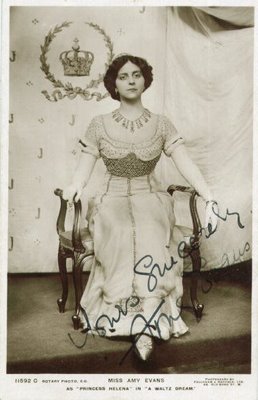
A soprano from Ynyshir, equally at home in oratorio, recital and opera, and one of the earliest Welsh voices put on disc. This studio portrait is signed and dated 1911.
Public domain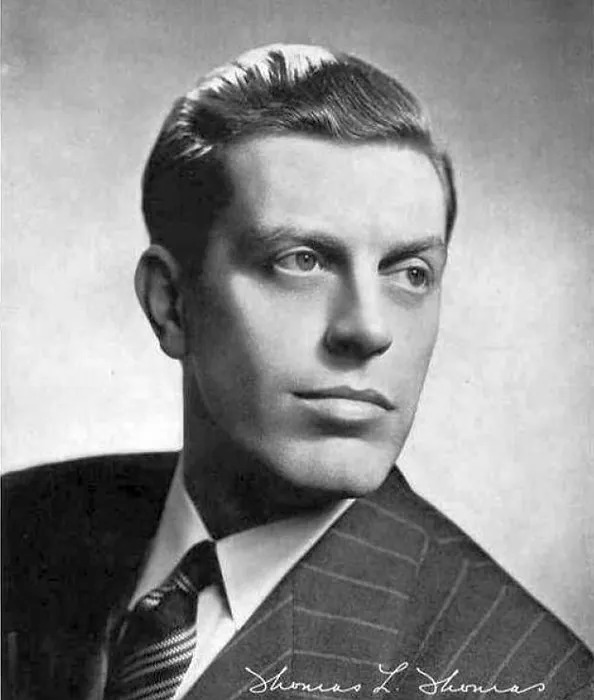
Born at Maesteg and taken to Scranton, Pennsylvania at twelve, Thomas Llyfnwy Thomas became the best-known Welsh-American baritone of his generation through the Voice of Firestone broadcasts. These sides were cut in 1944. His records carried this portrait on the sleeve.
Studio portrait with facsimile signature, issued with his 1944 recordings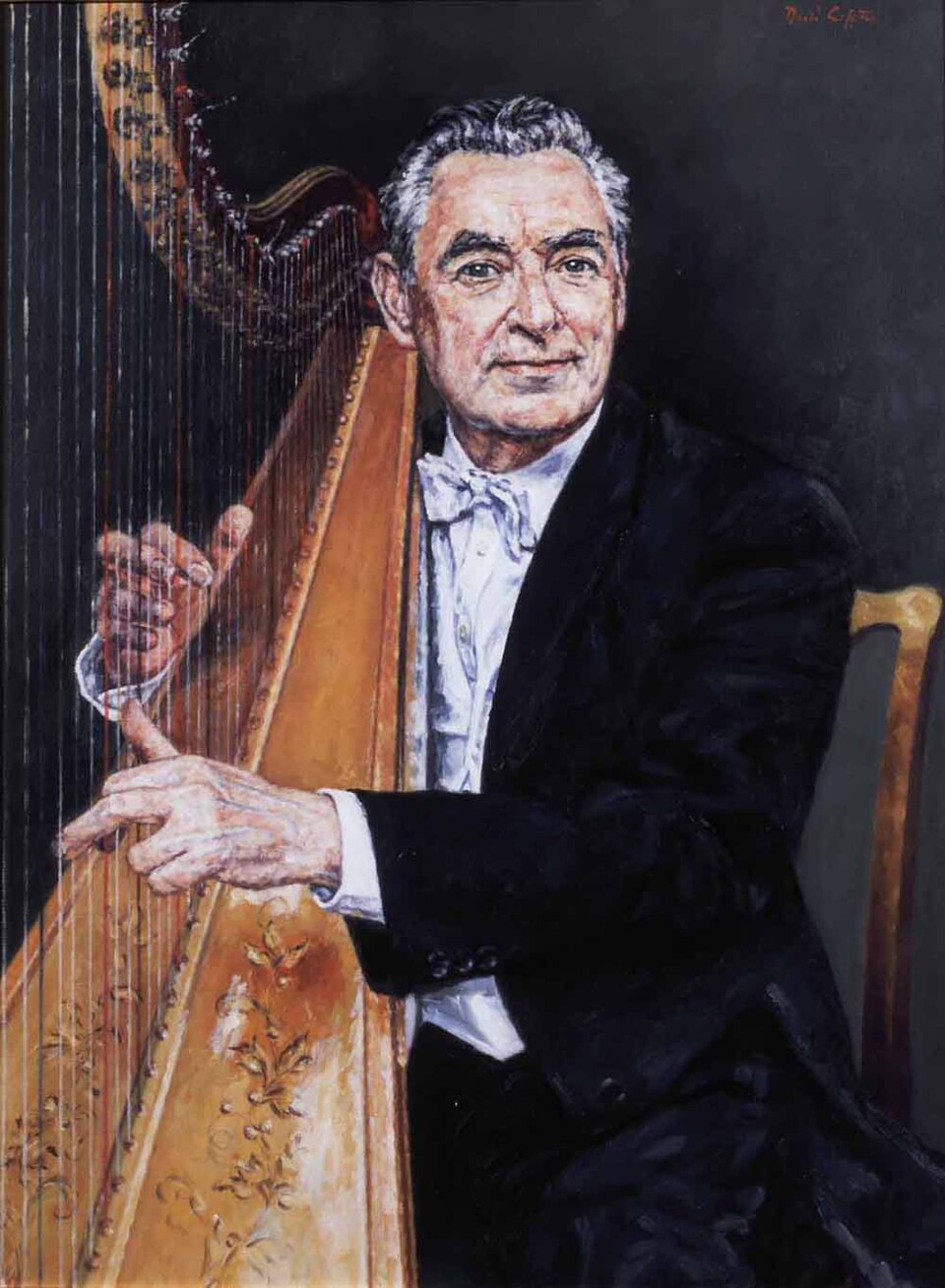
Born at Ffynnongroyw in Flintshire, Ellis became principal harpist of the London Symphony Orchestra and a founding member of the Melos Ensemble. His long partnership with Benjamin Britten put the Welsh harp in the middle of modern British music.
Photo: David Griffiths · CC BY-SA 3.0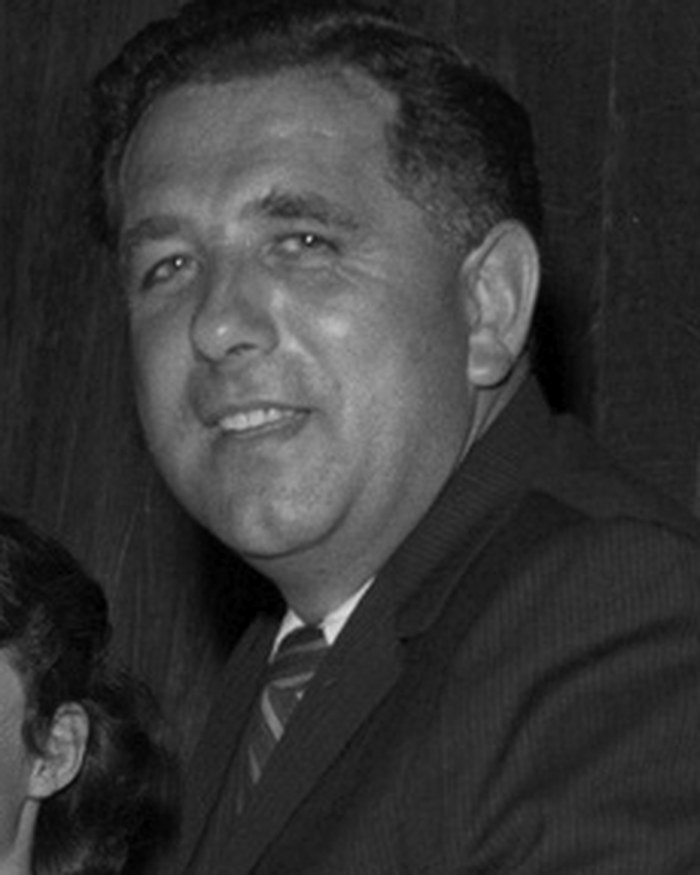
Sang on the Alawon Gwerin sides of 1949 with Ann Parry-Williams and the harpist Osian Ellis, and spent a lifetime collecting the songs he sang.
Detail — with his family on their return to Wales, 21 July 1960Restored Recordings
Every track below is a remaster. Press play on the full sequence, or pick a single recording.
About the restoration
Every recording here is a historical track sourced from a public archive and remastered through a purpose-built chain — the same fixed chain for every file, no machine-learning enhancement. The aim is simple: sound better, and meet YouTube's audio standards. Rights status differs per recording and sources are credited where known; anything still in copyright is published with attribution and removed on request. The surface noise of the original transfer is still audible, because removing it completely would mean removing the recording too. How the restoration works →
Hear next door
These traditions sat beside each other on the shelf — recorded in the same cities, pressed by the same companies, and often sold to the same listeners. Follow the thread.