
Turkish
Recorded in Constantinople/Istanbul and regional centres, 1900s–1930s
Turkish sides from the last years of the Ottoman musical world and the first of the Republic. Istanbul's studios pressed for a market that ran from Cairo to Chicago, and the small fasıl ensemble — oud, kanun, violin, clarinet — was the standard vehicle. What survives here is mostly instrumental: the taksim, the improvised solo that states the mode before the piece proper begins.
The players on these sides were not always Turkish by nationality. Ottoman classical music was a shared professional language, and Armenian and Greek musicians were central to it — which is why several of the same names appear in both the Turkish and the Armenian collections.
About this hearth
Constantinople was a major recording capital of the eastern Mediterranean, serving Turkish, Greek, Armenian, Jewish and other communities in overlapping catalogues. Classical performance features tanbur, kemençe, ney, kanun, oud and percussion in fasıl-related programmes; gazel singing and instrumental taksim highlight improvisation. Folk aşık and regional dance music, and later tangos and cabaret songs, show the city’s modern entertainment life. The discs are a multilayered record of empire’s end and the early republic’s sound world.
Recorded in: Constantinople, Izmir
Istanbul, in their time
Constantinople in the last decades of the empire — the Grande Rue de Pera, the Monday market, and Galata from the bridge. Photographs by the Abdullah Frères, the Dutch national archive and the Library of Congress.
Press any photograph to open it full size — the player keeps going behind it.
The music-makers and the dress
9 period photographs of this hearth's own music-makers and dress, every one dated from its source's own records. Pictures are shown as documentary record, credited to the holding collection; anything here is removed on request. Sources: Wikimedia Commons (9).
Press any photograph to open it full size — the player keeps going behind it.
Figures on record
Every card is a genuine photograph of the artist, credited to its source. Performers of this era often left no portrait behind — where none survives, we show nothing rather than a stand-in image. Pick a figure to pull their recordings up.
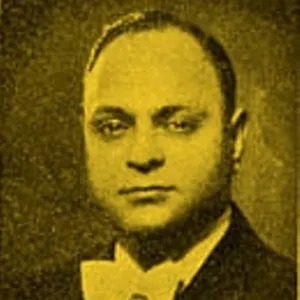
The clarinettist on the Turkish sides in this hearth, billed as 'Klarinet Şükrü'. Self-taught, and the model every Turkish clarinet player after him was measured against; he died on stage in 1962 while accompanying Zeki Müren.
Period photograph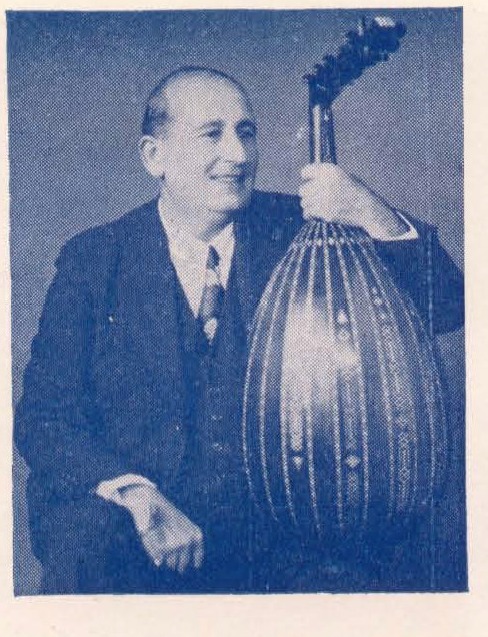
Armenian — Smyrna-born, known in full as Marko Melkon Alemsherian — and the master of the kef repertoire these sides belong to. He sang in Turkish, Armenian and Greek, and held long residencies on Eighth Avenue in New York after fleeing the Ottoman Empire in 1912.
With his oud, from his LP sleeve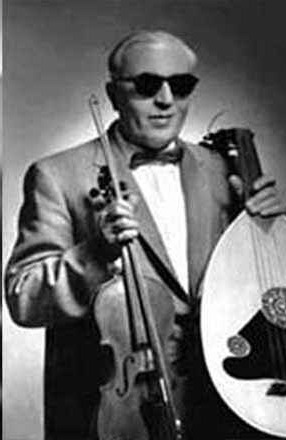
Armenian, born Hrant Kenkulian in Adapazarı and blind from infancy. His taksims on these sides are the model the whole Armenian oud tradition was measured against; he toured the United States from 1950 and conferred the title of udi on five American students in 1969.
With violin and oudRestored Recordings
Every track below is a remaster. Press play on the full sequence, or pick a single recording.
About the restoration
Every recording here is a historical track sourced from a public archive and remastered through a purpose-built chain — the same fixed chain for every file, no machine-learning enhancement. The aim is simple: sound better, and meet YouTube's audio standards. Rights status differs per recording and sources are credited where known; anything still in copyright is published with attribution and removed on request. The surface noise of the original transfer is still audible, because removing it completely would mean removing the recording too. How the restoration works →
Hear next door
These traditions sat beside each other on the shelf — recorded in the same cities, pressed by the same companies, and often sold to the same listeners. Follow the thread.