
Russian
Recorded in St. Petersburg, Moscow and abroad, 1890s–1930s
These sides span the years 1901 to 1935, drawn from a vault tagged Russian. Some are pre-1923, the majority fall in the 1923–46 gray band, and a few remain unclassified. Orchestra and song dominate the titles; polkas, a march, and a dance appear among them.
Sofia Alexandrovna Redzhi carries ten of the published sides, all from 1930: Days After Days Roll By, Homeless, Heart in Rags, Misha, Troshka, Yellow Gloves, Gypsy Life, 400 Pageboys, For Guitar Fingerpicking, and 1924 Berlin. Paul O'Montis is heard on four, among them Stenka Razin and Princess, Bublichki, Ukhar the Merchant, and Kazbek.
Balalaika groups run through the set. Scriabin's Balalaika Orchestra gives the Song of the Volga boatmen and Down the Mother Volga in 1929; Andreieff's Balalaika Orch. is present in 1911, and Russian balalaika ensembles offer South Russian folk songs from 1920. Anastasia Dmitrievna Vyaltseva sings Remember in 1905; Theodore Chaliapine is credited with Night, and Fedor Chaliapin with sides from 1901 and 1902.
Ukrainian voices stand beside the Russian ones—Solomiya Amvrosiivna Krushelnytska on two 1928 sides, the Lira Ukrainian Choir, and the Ukrainian National Quartet. Early military cuts include the Volhynian Life Guards Regiment in 1909 and a Military Orchestra's Russian March in 1908; later come the Dajos Béla Orchestra's two parts of Around the Volga and Abe Schwartz's Hussar and Moscow polkas in 1935.
Moscow, in their time
Moscow in 1905 and after — workers photographed for National Geographic, the market women, and the holiday crowds on the day the October Manifesto was read.
Press any photograph to open it full size — the player keeps going behind it.
Figures on record
Every card is a genuine photograph of the artist, credited to its source. Performers of this era often left no portrait behind — where none survives, we show nothing rather than a stand-in image. Pick a figure to pull their recordings up.
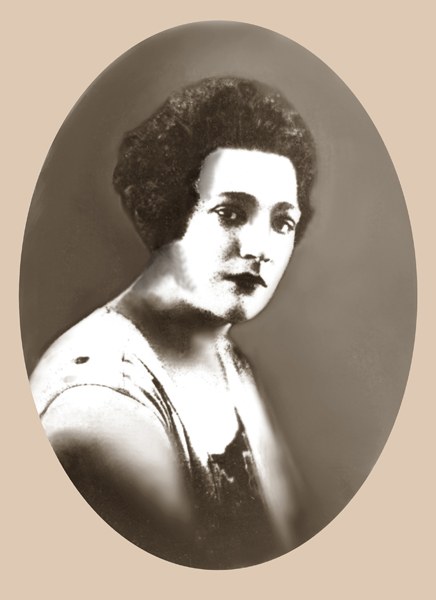
Born in Orenburg and buried in Italy, she was one of the émigré singers who carried the Russian gypsy romance abroad. Thirteen sides on this hearth are hers, all cut in 1930.
Rights held — reproduced as documentary record — V. Beloglazov, biography of Sofia Redzhi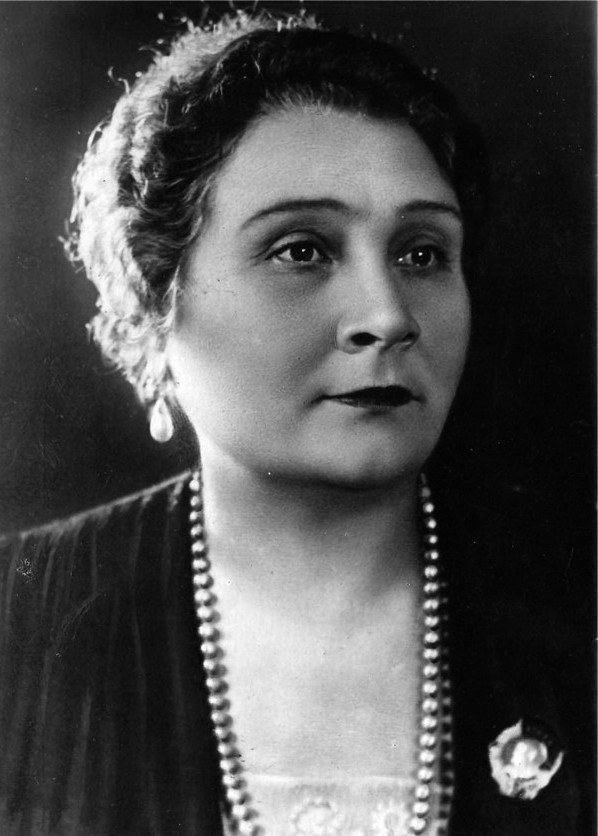
A Bolshoi mezzo whose dark lower register made her the definitive interpreter of Russian romance; two of her sides are restored here.
Public domain — Unknown photographer; first published in «Литература и искусство» No.12, 21 March 1943 📰 Evening star (Washington, D.C.), 1961-08-16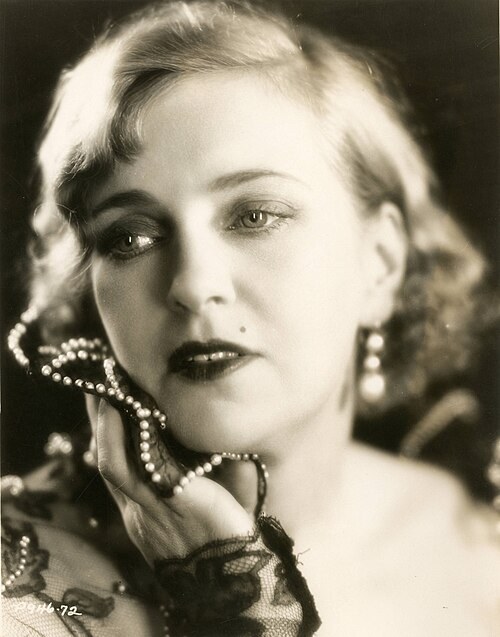
Moscow Art Theatre actress who went to Hollywood and became, among much else, the trapeze artist in Tod Browning's 'Freaks' (1932). Two sides here are hers, with Zarkevich's orchestra.
Public domain — J. Willis Sayre Collection of Theatrical Photographs, University of Washington Libraries, 1928 📰 Kodiak mirror (Kodiak, Alaska), 1944-08-26 +2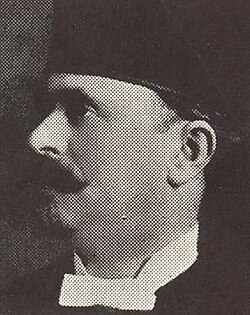
A cantor and lyric tenor who sang Russian song for the émigré trade and Yiddish repertoire for the same catalogues; the Recorded Sound Archives at Florida Atlantic University holds his portrait and his discs.
Public domain — Unknown photographer, c.1920; Recorded Sound Archives, Florida Atlantic University 📰 The American Jewish world..., 1920-01-02 +2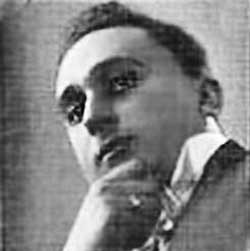
Born in Harbin to a Russian family in Manchuria and later a songwriter behind 'Moya zvezda' ('My Star'); four sides on this hearth are his, recorded under his own name and billed with his patronymic.
Rights held — reproduced as documentary record — bard.ru / «Авторская песня» database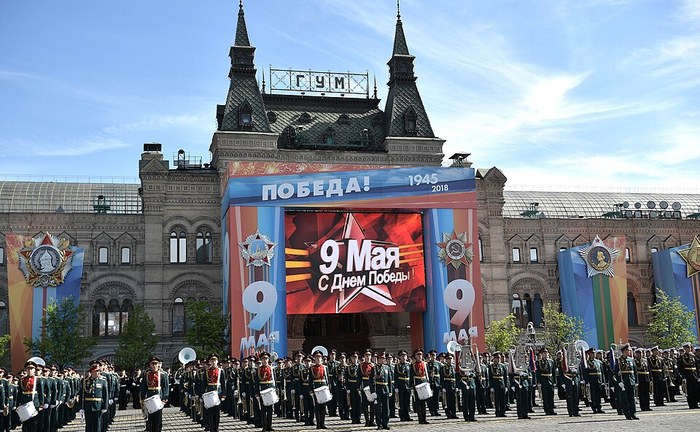
The Military Orchestra (Военный оркестръ) was the generic credit used on early 20th-century Russian 78 rpm records, most often referring to one of the Imperial Russian Army regimental bands or a studio ensemble drawn from the long-established military band tradition. This tradition dates to Peter the Great's 1711 decree mandating bands in the army and navy, which evolved into a sophisticated institution by the early 1900s with Russian composers such as Rimsky-Korsakov having served as Inspector of Naval Bands. The lead image of the English Wikipedia article on the Military Band Service of the Armed Forces of Russia depicts the modern successor to these Imperial-era ensembles.
Wikipedia (en) — check file page for licence 📰 The Barre daily times (Barre, Vt.), 1908-02-19 +2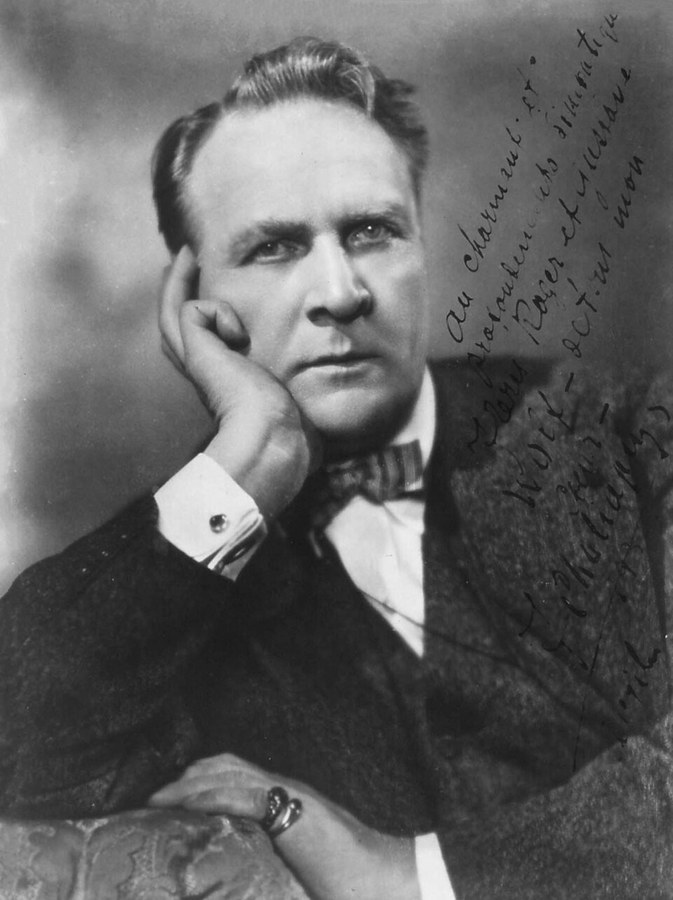
Russian bass whose Boris Godunov set the standard for the role, and one of the best-selling classical recording artists of the 78rpm era.
Portrait via Wikimedia Commons — see file page for licence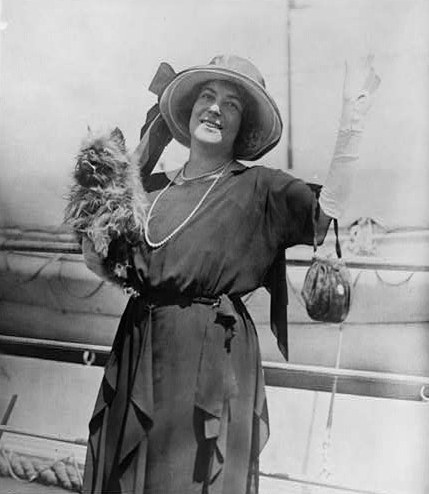
New Zealand opera singer (1879–1952).
Portrait via Wikimedia Commons — see file page for licence 📰 The Sentinel=record (Hot Springs,..., 1913-03-11 +2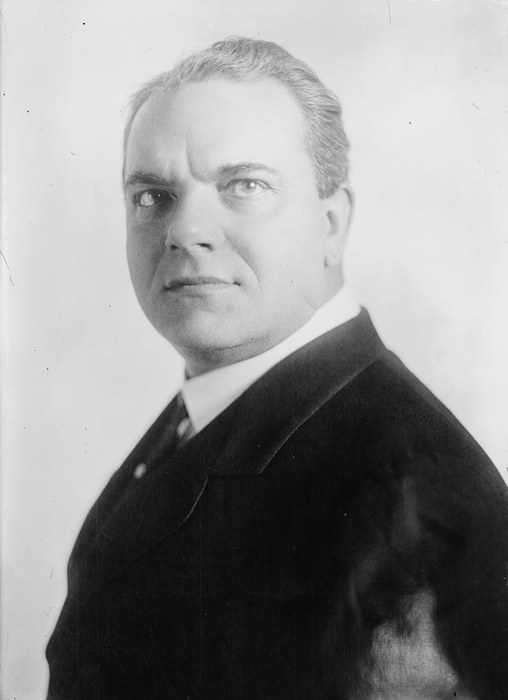
French opera singer.
Portrait via Wikimedia Commons — see file page for licence 📰 The times dispatch (Richmond, Va.), 1910-04-03 +2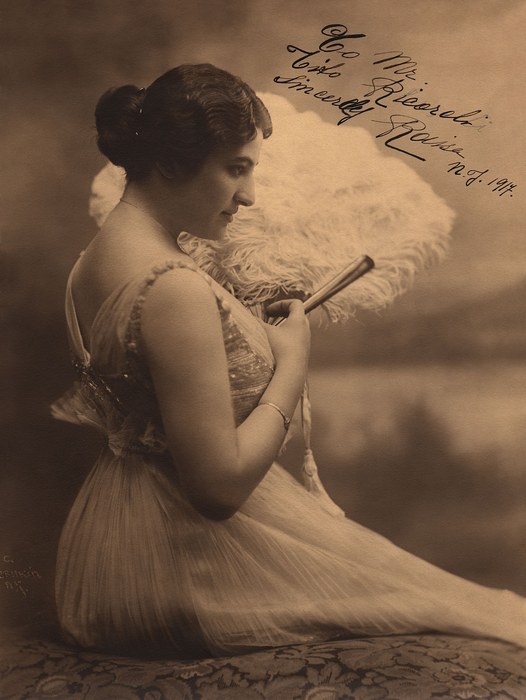
Operatic soprano (1893-1963).
Portrait via Wikimedia Commons — see file page for licence 📰 The Milwaukee leader (Milwaukee,..., 1922-04-23 +2
Albert Spalding (1888–1953) was a leading American violinist and composer, born in Chicago to a musical mother and the co-founder of the A.G. Spalding sporting goods company. He studied in Florence, New York, Paris, and Bologna (graduating with honors at age 14), made his Paris debut in 1905 and New York debut in 1908, and became the first American violinist to perform with the Paris Conservatory Orchestra. Thomas Edison declared his tone the purest of any living violinist, leading to a long recording contract with Edison and later Victor; he also served in both World Wars and premiered Samuel Barber's violin concerto.
Wikipedia (en) — check file page for licence 📰 Birmingham Age-Herald, 1915-11-21The music-makers and the dress
8 period photographs of this hearth's own music-makers and dress, every one dated from its source's own records. Pictures are shown as documentary record, credited to the holding collection; anything here is removed on request. Sources: Wikimedia Commons (8).
Press any photograph to open it full size — the player keeps going behind it.
Restored Recordings
Every track below is a remaster. Press play on the full sequence, or pick a single recording.
Maria Polka
POLKA DE W.R.
V 21013 A Happy Polka [r 14264241]
No. 1-Alborada; No. 2-Variazioni (Part 1); No. 2-Variazioni (Conclusion); No. 3-Alborada; No. 4-Scena e canto gitano (Part 1); No. 4-Scene e canto gitano (Conclusion); No. 5-Fandango asturiano
HORA; MEDLEY OF SONGS; BARINYA (Lady Of The Date); TENI MINUVSHAGO (Shadow Of The Past); HAIDA TROIKA (Three Horses); POLIA ZELYONIA (Green Fields)
Symphony No. 3 in D Major Op. 29 (The Polish) 1st. Mvt: Allegro brillante (cont'd)
Symphony No. 3 in D Major Op. 29 (The Polish) 1st. Mvt: Moderato assai - Allegro brillante
Symphony No. 3 in D Major Op. 29 (The Polish) 2nd. Mvt: Alla tedesca (concl.)
Symphony No. 3 in D Major Op. 29 (The Polish) 3rd. Mvt: Andante
Symphony No. 3 in D Major Op. 29 (The Polish) 5th. Mvt: Finale - Allegro con fuoco
🇷🇺 Band of H.m. Irish Guards - French and Russian National Anthems (1914) · Remastered
🇷🇺 Earl Fuller's Rector Novelty Orch - Russian Rag Fox-trot (1918) · Remastered
🇷🇺 King's Military Band - Russian and French National Anthems (1914) · Remastered
🇷🇺 Russian Eonofon Orchestra - Parade with Church Bells and Trepak (1912) · Remastered
🇷🇺 The Black Diamonds Band - Russian National Anthem (1915) · Remastered
🇷🇺 Varvaravasilyeva Panina - Russian Song (1919) · Remastered
1) Thegreenoak2) Thegnat
1924 Berlin (Берлинъ 24 года)
400 Pageboys (400 Пажей)
A dry crust of bread (Сухая корочка)
Ah, you beautiful sun (Ах ты солнце красное)
Andreieff's Balalaika Orch. HMV D165 1911
Ariseredsun
Around the Volga, part 1 (Вокруг Волги, часть 1)
Around the Volga, part 2 (Вокруг Волги, часть 2)
At A Russian Inn
Awordoffarewell
Belaya Akatsiya - Romance (White Acacia)
Boris Godounow-In the Town of Kazàn
Boris Godounow-In the Town of Kazan (Act 2)
Bublichki (Бублички)
Chanson Hindique (Песня Индийского Гостя)
Chant de Guerre Cosaque (Russian Cossack War Song)
Chubchik (Forelock) (Чубчик)
Cossacks' Ride through Moscow
Days After Days Roll By (Дни за днями катятся)
Disenchantment
Down the Mother Volga (Вниз по матушке по Волге)
Dubinushka
Ehvanka
Elegie
Evening Beauty (Ночная Красавица)
Farewellmyson, Iamdying
Favorite Kiss (Любимый поцелуй)
For Guitar Fingerpicking (За гитарный перебор)
Gypsy Life (Жизнь цыганская)
He Went Once (Эх распошел)
Heart in Rags (В лохмотьях сердце)
Homeless (Безпризорная)
In a Village Hospital (В сельской больнице)
KALINKA (RUSSIAN FOLKSONG)
Kazbek (Казбек)
Kohanochka
Krakowiak (Краковяк)
Leveaud' or
Lezginka
Little Bagels (Bublichki) (Бублички)
Littleone-romance
Livestock Merchant (Торговец живым товаром)
Love Unexpected (Lyubov Idet Sama) (Любовь идет сама)
Luchinuska
Lullaby (Колыбельная песнь)
Memories (Воспоминания)
Misha (Мишенька)
My Star (Моя звезда)
Night (Russian Folk Song)
One more time (Ну ещё раз)
Out of the Way (Не по пути)
Pas d'Espagne
Poison (Отрава)
Remember (I cannot tear my eyes away) | Вспомни (Не в силах глаз я оторвать)
Romanceoftheyounggypsy
RUSSIAN FOLK DANCES
Russian March (Русский марш)
Sadness (Грусть)
Sakharet Dance (Пляска сахарет)
Seigneur, daignezpermettre
Shelaughedheartily
Snilsya Mnye Sad - Romance (My Garden Dream)
Solitude
Song of the Flea
Song of the Volga boatmen (Ey, ukhnem!) (Эй, ухнем!)
Songofthe Vikingguest
Sorrow, Dark Sorrow (Dear Mother) (Горе, горе темным (Матушка родная))
SOUTH RUSSIAN FOLK SONG
South Russian Folk Songs
Stenka Razin and Princess (Volga Song) (Стенька Разин и Княжна (Волжская песня))
Stoker (Wide is the Sea) (Кочегар (Раскинулось море))
The Demon’s Second Romance (On the Ocean of the Air)
The Nightingale
The Prisoners (Колодники)
The Prophet
THE SHINY MOON
The Song of the Volga Boatmen
The Sun Rises and Sets (Солнце всходит и заходит)
The Tempest Roared (Ревела буря)
The Volga Boatman's Song
THE VOLGA BOATMAN'S SONG AND THE CHARMING BOY
Theprisoner
There’s only one way to live (Дорога в жизни одна)
Thetaleof Ilya Mourometz
Theyguessthetruth
Travkin Folk Chorus - Two Russian Folk Songs
Troshka (Трошка)
Two Grenadiers
Ukhar the Merchant (Ухарь купец)
V. S. Varshavsky Kamarinskaya
Volhynian Life Guards Regiment, Vladimir Antonovich Pawelko, Крестьяночка
Volhynian Life Guards Regiment, Vladimir Antonovich Pawelko, Тrepak
Waiting for you (Жду тебя)
We Never Loved (Korabli) (Корабли)
Whenthe Kingwentforthtowar
Yellow Gloves (Жёлтые перчатки)
Echoes in the Valley (Эхо в долине)
Here You Go (Гандзю книш (Вот тебе))
Hopak, Melodie Russe (Гопак, русская мелодия)
Hunting Cavalry (Гончий кавалер (Охотничья кавалерия))
Katerina (Катерина)
Motherland (Родимий краю)
Oh, do not sleep, do not lie down (Ой, не спиться, не лежиться)
The Hazelnut Tree Rustled (Зашуміла Ліщинонька)
Where is our Dnipro (Де Дніпро наш)
3 sides once grouped here are now filed under the tradition they belong
A side belongs to the tradition of its language and performance, not to the pool that happened to queue it. These were listed on this page before that was settled; each remains on the site, on the hearth it has been filed to.
About the restoration
Every recording here is a historical track sourced from a public archive and remastered through a purpose-built chain — the same fixed chain for every file, no machine-learning enhancement. The aim is simple: sound better, and meet YouTube's audio standards. Rights status differs per recording and sources are credited where known; anything still in copyright is published with attribution and removed on request. The surface noise of the original transfer is still audible, because removing it completely would mean removing the recording too. How the restoration works →