
French
Recorded in Paris and across France, 1890s–1940s
These published sides gather French song and opera caught on disc between 1900 and 1931. Most are classed pre-1923; the others fall in the 1923–46 gray range. Behind them stands a much larger vault tagged French.
The early years lean on the opera stage. Pol Plancon’s 1902 Toreador song from Bizet stands with Léon Melchissedec and Mario Gilion in Rossini, Victor Capoul in Godard’s berceuse, and Emma Calvé’s Chanson Bohême from Carmen. Gounod runs through later sides: Geraldine Farrar and Marcel Journet in the church scene from Faust, Lucrezia Bori in Juliet’s waltz song, Emma Calvé again in a sérénade. Enrico Caruso appears twice in 1916, once in Saint-Saëns and once in Bizet’s Les Pêcheurs de Perles.
By the twenties the set widens. Maurice Chevalier is heard on sides from the operettas Dédé and Là-Haut; the Orchestre du Moulin Rouge plays Cà c’est Paris; the Société des Concerts du Conservatoire, Paris, contributes two parts of La Valse. Titles across these sides speak plainly of song, air, tango, waltz, and orchestra.
Paris, in their time
Paris in the tram era — the crowd outside the Bank of France, the Mékarski compressed-air trams, and the Opera with its carriages outside. Library of Congress and the Dutch national archive.
Press any photograph to open it full size — the player keeps going behind it.
Figures on record
Every card is a genuine photograph of the artist, credited to its source. Performers of this era often left no portrait behind — where none survives, we show nothing rather than a stand-in image. Pick a figure to pull their recordings up.
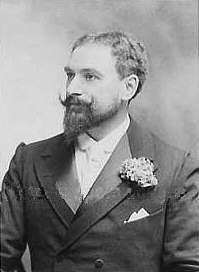
French operatic bass, one of the most acclaimed singers of the 1880s to the 1900s, and among the earliest international opera stars to have made records. His Votre toast from Carmen is in this archive.
Public domain — Wikimedia Commons — the source file carries no author statement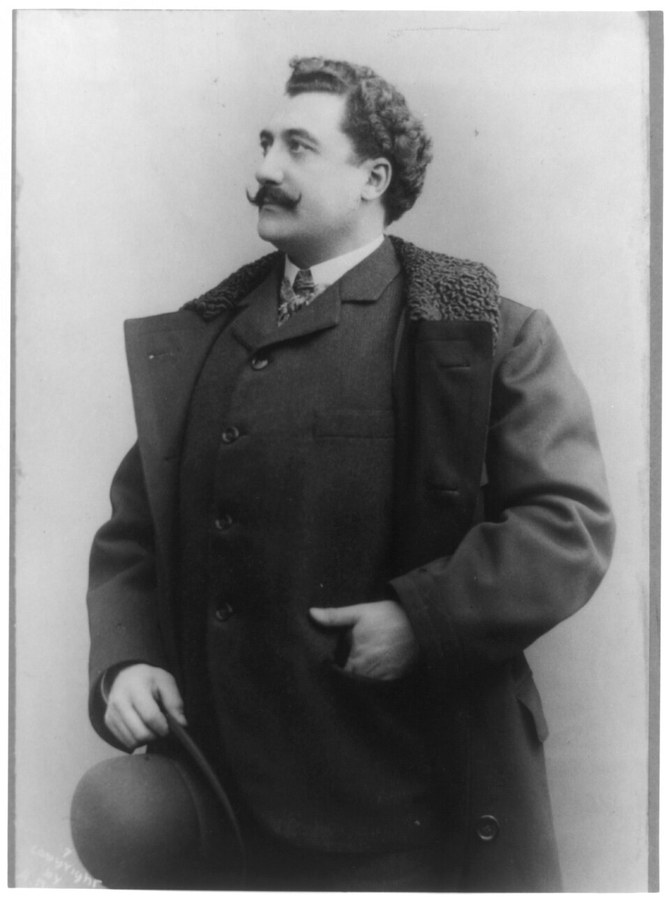
Albert Alvarez (born Albert Raymond Gourron, 1861–1933) was a leading French operatic tenor who debuted at the Paris Opéra as Faust in 1892 and enjoyed a long association with the company, creating roles in Thaïs, La Montagne Noire, Frédégonde and other works while also singing at Covent Garden and the Metropolitan Opera (1899–1903). He possessed a powerful, clarion dramatic tenor voice and recorded approximately 40 titles for Pathé in Paris beginning in 1903, the same years as the two sides held in this archive.
Wikimedia Commons — check file page for licence 📰 New-York tribune (New York [N.Y.]), 1901-12-22 +2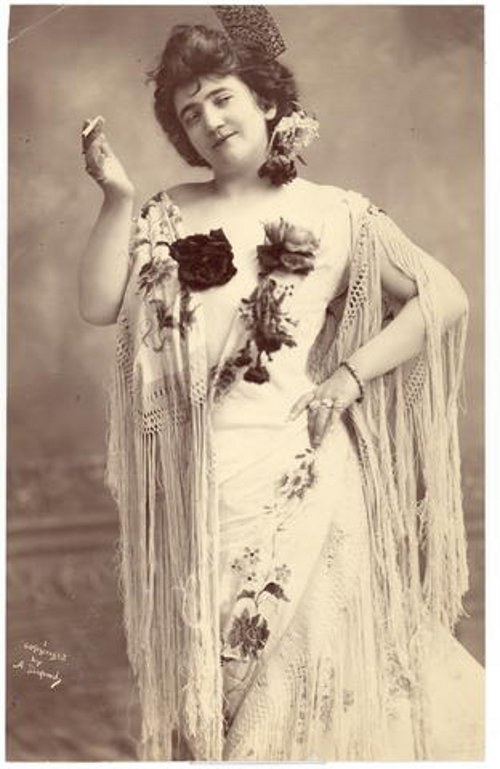
Emma Calvé (1858-1942) was a celebrated French operatic soprano renowned for her dramatic interpretation of the title role in Bizet's Carmen, which she performed over a thousand times and which defined her international reputation. She created leading roles in Jules Massenet's Sapho and La Navarraise, appeared regularly at the Metropolitan Opera, Covent Garden, and the Opéra-Comique, and made acoustic recordings for Victor and Gramophone between 1902 and 1920, including multiple takes of the Habanera and other arias from her signature repertoire during 1907-1916. A student of Mathilde Marchesi, she was admired for her expressive acting, vocal versatility, and magnetic stage presence that combined sensuous tone with realistic emotion.[[1]](https://www.naxos.com/CatalogueDetail/?id=81024-2)[[2]](https://en.wikipedia.org/wiki/Emma_Calv%C3%A9)
Wikimedia Commons — check file page for licence 📰 The Seattle star (Seattle, Wash.), 1908-10-05 +2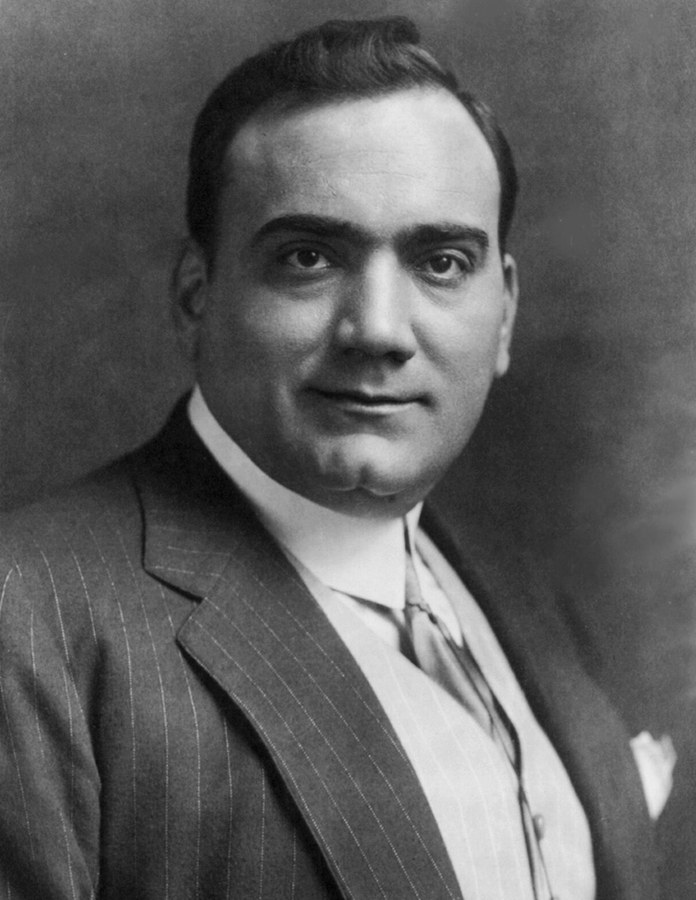
Enrico Caruso (1873–1921) was a world-renowned Italian operatic tenor whose powerful voice and emotive style made him one of the first international recording stars. In 1916 he made several Victor recordings in the United States, including French-language and holiday titles such as "Cantique de Noël" and popular songs like "O sole mio," which appear on 78rpm discs. Although primarily associated with Italian opera, his wide repertoire and international fame led to releases in French markets and collections.
Wikimedia Commons — check file page for licence 📰 The Kendrick gazette (Kendrick,..., 1920-05-28 +2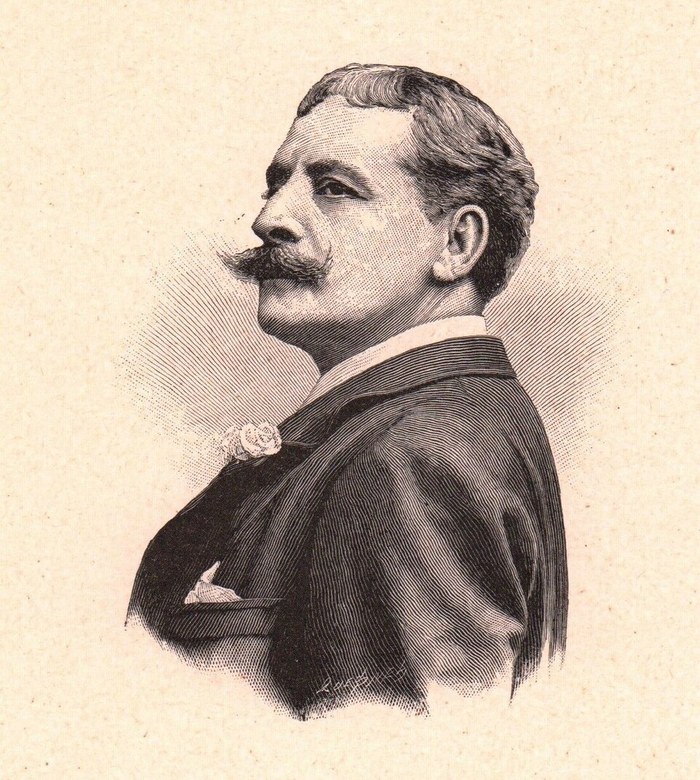
Victor Capoul (1839-1924) was a prominent French lyric tenor celebrated for his graceful singing, elegant phrasing, and strong acting skills. He debuted at the Opéra-Comique in 1861, created several roles including in Offenbach's Vert-Vert, performed extensively in London, New York (including at the Metropolitan Opera), and later served as artistic director of the Paris Opéra. In 1905, at age 66 and nearly deaf, he made his only known recording, the Berceuse from Jocelyn—an opera for which he co-wrote the libretto—preserving a late example of 19th-century French vocal style.
Wikimedia Commons — check file page for licence 📰 The San Francisco call (San..., 1903-07-05 +2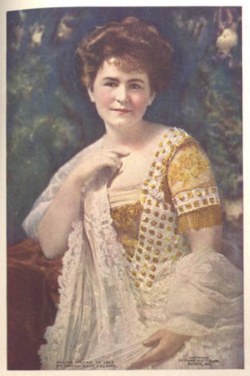
Yvonne de Tréville (born Edyth Le Gierse, 1881–1954) was an American coloratura soprano of French-American heritage, born in Galveston, Texas. She studied with Mathilde Marchesi in Paris, debuted in New York in 1897, and achieved international success singing Lakmé at the Paris Opéra-Comique (1902) as well as roles across Europe in multiple languages. In 1915 she made Edison Diamond Disc recordings including the French song 'Chanson provençale', aligning with the single 1915 side held in the archive.
Wikimedia Commons — check file page for licence 📰 Svenska monitoren (Sioux City,..., 1914-10-30 +2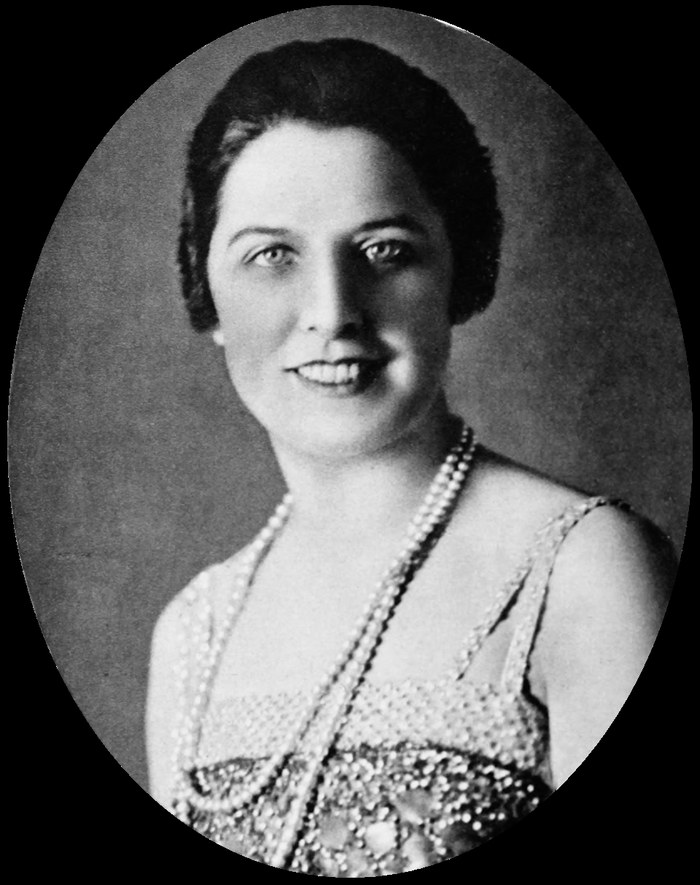
American soprano and a defining star of the Met Opera from 1906 to 1922 — and, rare for an opera singer, also a silent-film lead in the 1910s.
Portrait via Wikimedia Commons — see file page for licence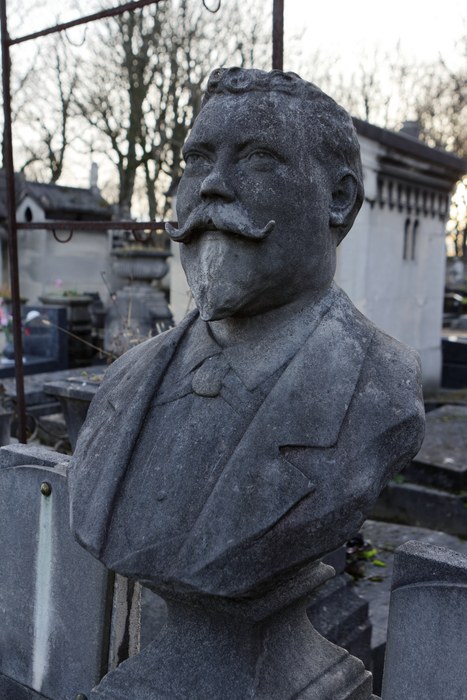
French operatic tenor (1858–1931).
Portrait via Wikimedia Commons — see file page for licence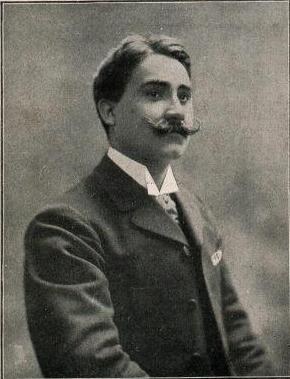
French opera singer.
Portrait via Wikimedia Commons — see file page for licence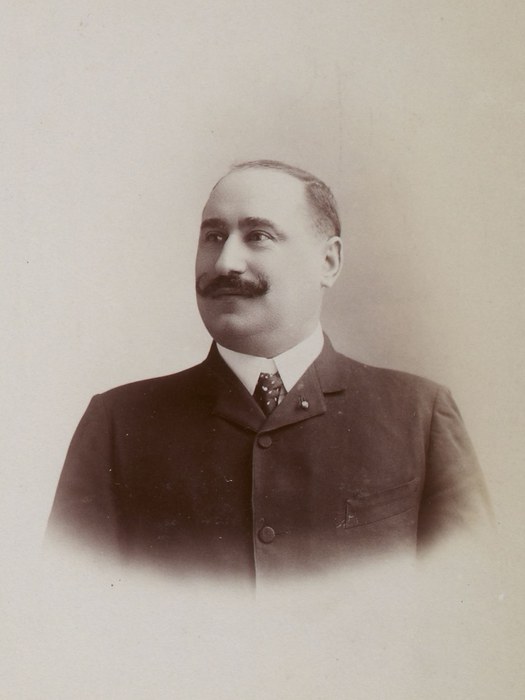
Tenor from France.
Portrait via Wikimedia Commons — see file page for licence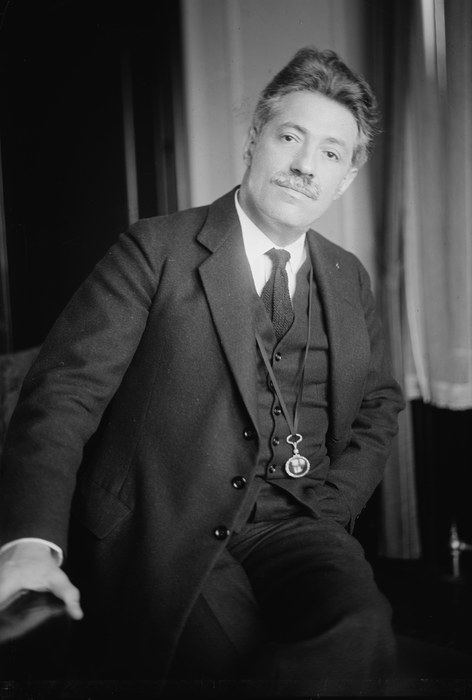
Austrian and American violinist and composer (1875–1962).
Portrait via Wikimedia Commons — see file page for licence 📰 The Oakwood press (Oakwood..., 1950-02-16 +2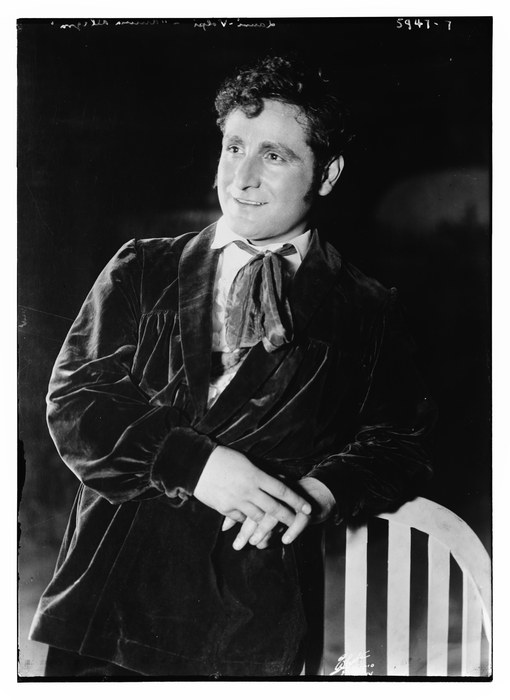
Italian opera singer.
Portrait via Wikimedia Commons — see file page for licence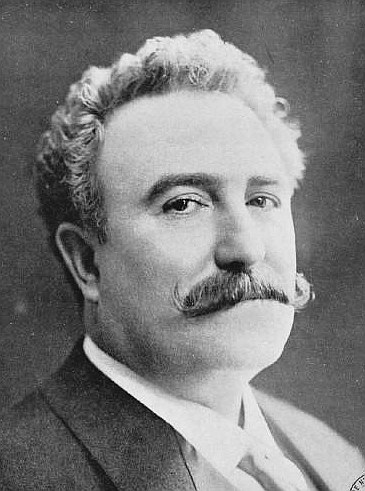
French opera singer.
Portrait via Wikimedia Commons — see file page for licence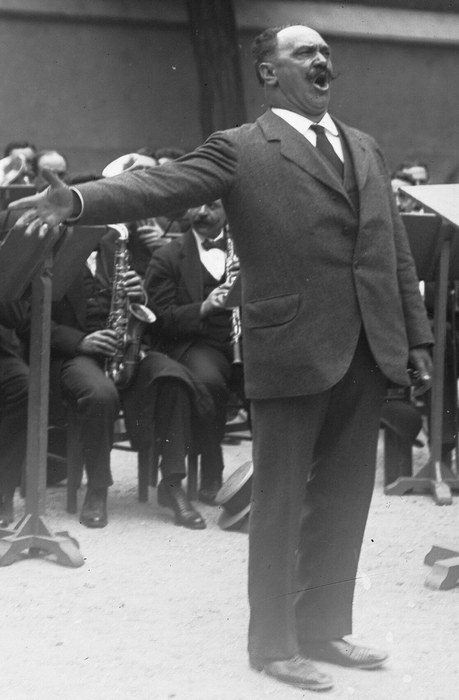
Belgian opera singer (1858–1922).
Portrait via Wikimedia Commons — see file page for licence 📰 The frontier (O'Neill City, Holt..., 1919-08-21 +2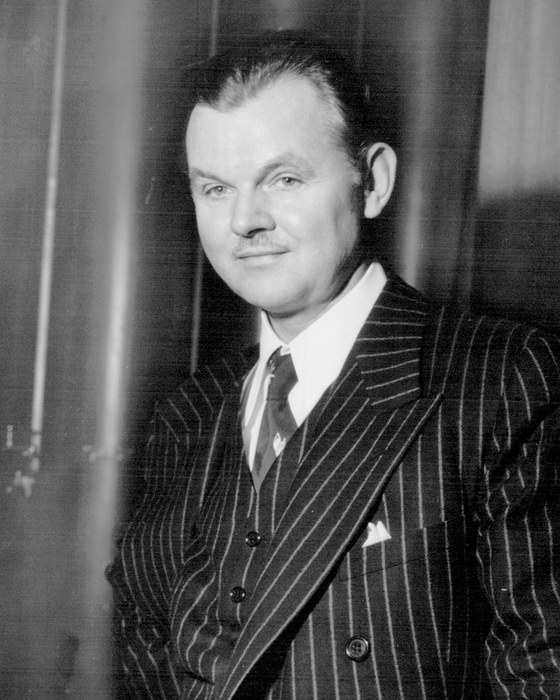
American opera singer (1896–1960).
Portrait via Wikimedia Commons — see file page for licence 📰 L'araldo = The Herald (Cleveland,..., 1943-02-19 +2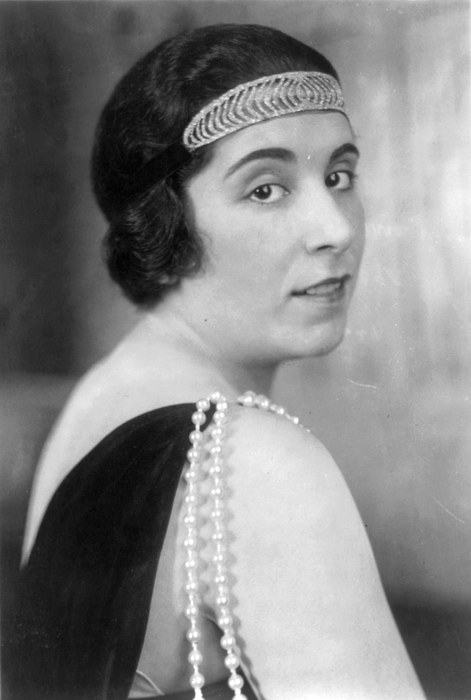
Spanish operatic singer.
Portrait via Wikimedia Commons — see file page for licence 📰 The Milwaukee leader (Milwaukee,..., 1926-11-24 +2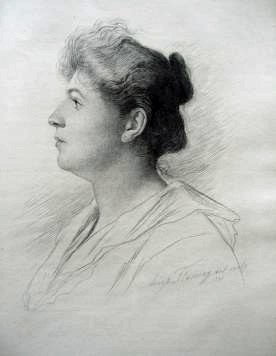
French opera singer.
Portrait via Wikimedia Commons — see file page for licence 📰 Dakota farmers' leader (Canton,..., 1915-10-22 +2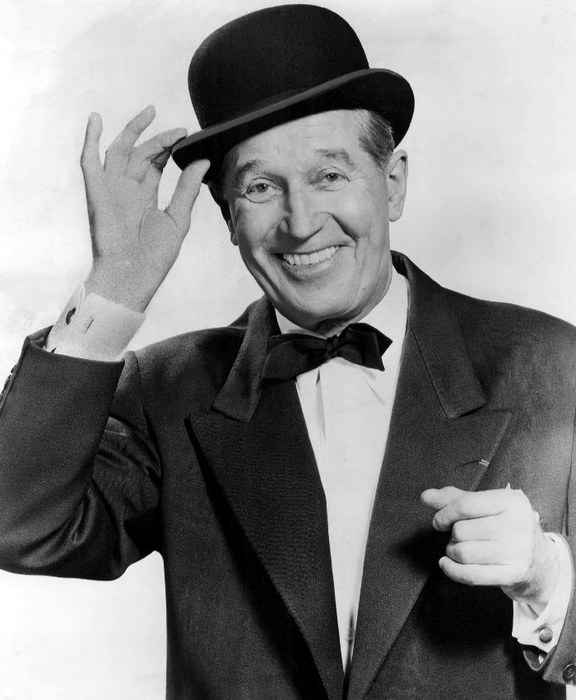
French singer, actor, and entertainer (1888–1972).
Portrait via Wikimedia Commons — see file page for licence 📰 The Ogden standard-examiner..., 1922-12-31 +2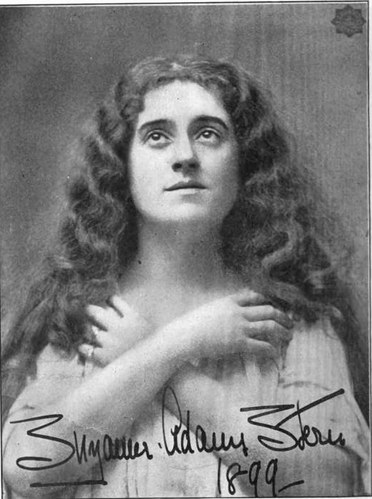
Artiste lyrique, épouse de Leo Stern.
Portrait via Wikimedia Commons — see file page for licence 📰 Daily Kennebec journal (Augusta,..., 1903-10-03 +2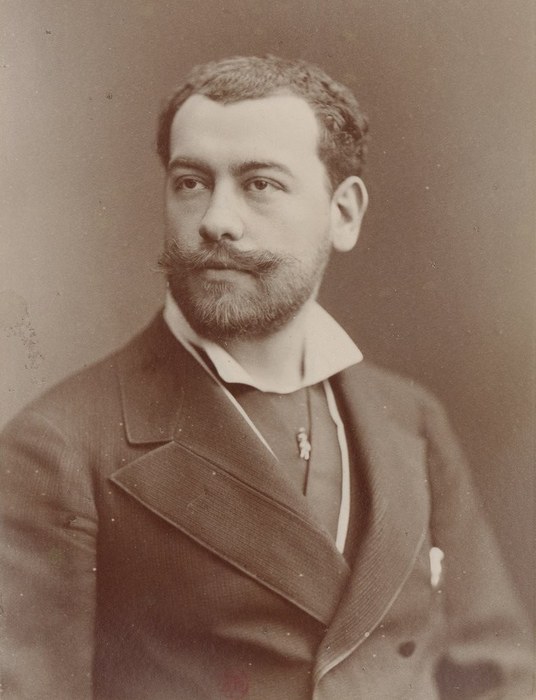
French opera singer (1848–1923).
Portrait via Wikimedia Commons — see file page for licence 📰 Foster's daily Democrat (Dover,..., 1899-01-05 +2The music-makers and the dress
9 period photographs of this hearth's own music-makers and dress, every one dated from its source's own records. Pictures are shown as documentary record, credited to the holding collection; anything here is removed on request. Sources: Wikimedia Commons (9).
Press any photograph to open it full size — the player keeps going behind it.
Restored Recordings
Every track below is a remaster. Press play on the full sequence, or pick a single recording.
"L'Élégante Polka"
Mariette (Augusta)Polka
🇫🇷 Madame Guillon-Brasseur – Mezzo-Sopran - Early recordings of French female… (1900) · Remastered
Ah! Lève-toi, soleil
Ahlève-toisoleil
Amour sacré de la Patrie (34001)
Asilehéréditaire
Cà c'est Paris
Cachésdanscetasile (Berceuse)
Carmen-Chanson Boheme Les Tringles De Sistres
CARMEN-CHANSON DU TORÉADOR (TOREADOR SONG)
Carmen–Chanson Bohême (Gypsy Song)
Chanson Bohémienne
Chanson Hèbraique (Hebrew Song)
Chanson Païenne
Chanson Provençale
Chanson-Méditation
Chansondublé
Dansundelireextrême
Dédé (French Operetta) - Henri Christiné
Dies Bildnisistbezauberndschön
Dirtöne Lob
Enfermantlesyeux (Le Rêve)
EUGÈ NE DE CREUS Rêve D'un Jour ( Rêve De Valse) ( HMV W 175) ( 1912)
Faust-Scène de L'Eglise (I) (Church Scene, Part I)
Fédia
Grand Air de Patrié
Ilétaitunroide Thulé
Jeveuxvivredanscerêve
La Valse - pt1
La Valse - pt3
La Valse - pt4
Là-Haut (French Operetta) Maurice YVAIN 1923
Làcalluniaeunventicello
Ladonnaèmobile
Lafiancée
Lakmé, tondouxregard
Les Contes d'Hoffman-Légende of Kleinzach (Tales of Hoffman-Legend of Kleinzach)
Les Pêcheurs de Perles Chanson-De mon amie (Pearl Fishers-"My Love")
Lily Pons, Charles Gounod Mireille, Valse, Odéon 188642
Noté Paty Berliner
PAL 130 André Mi Re La, Java d’Oscar et Titine, Orchestre du Bal du Chat Bleu
Prèsdesrempartsde Séville
Prièredelapaque
Prièredelasymphonielégendaire
Rainemantmabienaimée
Récitatifetairde Thoas
Romeo and Juliet-Juliet's Waltz Song (Roméo et Juliette-Valse)
Samson et Dalila-Vois ma misère, hélas! (Samson and Delilah-Sore My Distress, Alas!)
Scene les Epées (Scene of the Swords)
Sérénade
Sérénade–Chantez, riez, dormez (Sing, Smile, Slumber)
Soisimmobile (Prière)
Stancesà Manon
Vallonsdel' Helvétie
Véronique-Strophes de La Lettre
Votretoast (Chansondu Toréador)
Winterstürmewichen
"COPPÉLIA" BALLET MUSIC
EL PASO CORRIDO
Schottisch de Carillon
Schottisch de Cloches
SCHOTTISCH DES CLOCHES
SCHOTTISCH DU CARILLON
2 sides once grouped here are now filed under the tradition they belong
A side belongs to the tradition of its language and performance, not to the pool that happened to queue it. These were listed on this page before that was settled; each remains on the site, on the hearth it has been filed to.
About the restoration
Every recording here is a historical track sourced from a public archive and remastered through a purpose-built chain — the same fixed chain for every file, no machine-learning enhancement. The aim is simple: sound better, and meet YouTube's audio standards. Rights status differs per recording and sources are credited where known; anything still in copyright is published with attribution and removed on request. The surface noise of the original transfer is still audible, because removing it completely would mean removing the recording too. How the restoration works →